Sign In

Family program

The whole system heals, or nothing does.

Addiction is a family disease. Our family program gives parents, partners, and adult children the therapy, education, and coordination they need — while the client is in treatment and long after discharge.

Five things families ask first.

Who
Parents, partners, adult children, siblings, and chosen family of Seven Arrows clients
Cost
Included in your loved one's program of care at no additional charge
Family support sessions
Weekly virtual family support sessions, starting the second week of residential
Education
Open-enrollment multi-week psychoeducation groups on addiction, trauma, boundaries, and co-regulation
After discharge
Family program continues — quarterly alumni family events and referrals to family-focused outpatient providers
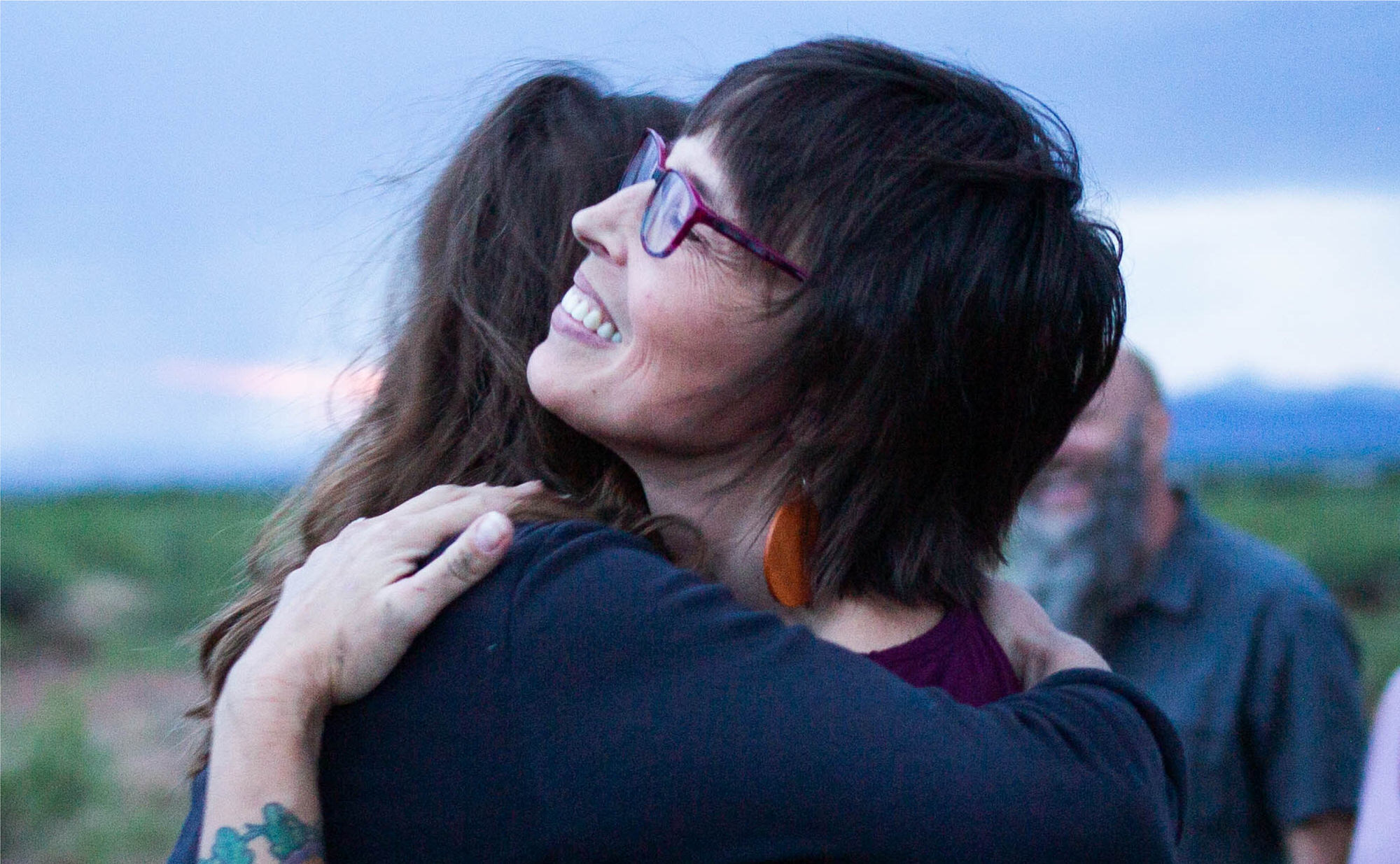
A family reconnecting at Seven Arrows
Family weekend · spring 2026

Addiction is a family disease.

Substance use changes the whole family system — who covers for whom, who sleeps badly, who learns not to bring it up. Those adaptations don’t evaporate the day someone starts treatment.

Recovery that lasts requires the family to heal alongside the client. Not to fix them. To get their own nervous system back, rebuild trust on new terms, and set boundaries that protect the recovery everyone is rooting for.

Our family program is structured, boundaried, and free of charge to immediate family of active clients.

Five concrete supports.

Not platitudes — actual services with a cadence, a point of contact, and a clear start and end.

Weekly family support sessions

Every week during residential

Structured virtual sessions with the client and their closest family members, held by a member of the clinical team. Not open-ended venting — targeted support on the specific dynamics that substance use has shaped in your system.

Family education groups

Multi-week psychoeducation

Open-enrollment groups on addiction as a family disease, the neuroscience of trauma, co-regulation, enabling vs. supporting, and what to expect during and after residential care. Families can attend whether their loved one is in care or not.

Visitation on the ranch

After week two

Structured in-person visits begin after the initial stabilization window. Family tours of campus are welcome, meals on site are encouraged, and the clinical team coordinates scheduling around each client's treatment plan.

Family weekends

Quarterly

Two-day intensives on campus — guided family support sessions, joint work, shared meals, and optional time in the arena with the horses. Partners and kids welcome for the Saturday evening.

Post-discharge family plan

Ongoing

Continued family support referrals, a family-support track inside the alumni community, and guidance on the first 90 days at home. Family work doesn't stop at discharge — the hardest months are still ahead.

Everyone has a specific grief.

The work with a parent is not the work with a partner. Our family program is paced and shaped to whoever is doing it.

For parents

Parents of an adult child

The line between helping and enabling, the guilt that shows up at 3am, the fear of the phone call. We work with parents on boundaries, on regulating your own nervous system, and on staying close without absorbing the chaos.

For partners

Spouses & partners

You've carried more than you should have for longer than you realized. Our work with partners rebuilds trust carefully, at your pace, with room for honest repair and honest grief about the years it cost.

For adult children

Adult children of a parent in treatment

A specific kind of heartbreak. We offer structured work for adult children that honors what you watched growing up and gives you a way to stay connected to a parent in recovery without sliding back into old family roles.

For the whole system

Siblings, chosen family, long-term partners

Family is whoever showed up. We extend the same program to siblings, close friends, co-parents, and chosen family. Anyone the client wants involved, within clinical boundaries, can be part of the work.

While they’re in treatment

Six things to do with the quiet.

The house gets quieter when a loved one goes to residential. Use the window. This is when your recovery starts too.

  1. Rest, actually.

    You have probably been in crisis mode for longer than you realize. Sleep. Eat. See your doctor. The nervous system you bring to family support sessions needs to be regulated enough to do the work.

  2. Start your own therapy.

    This is the single highest-yield thing family members do. Your own provider, your own hour, your own work — separate from the work happening in residential and separate from the family sessions.

  3. Learn the vocabulary.

    Enabling, codependency, attachment trauma, co-regulation. Books, podcasts, and our family education groups will give you a shared language for the work ahead.

  4. Attend your loved one's groups.

    Al-Anon, Nar-Anon, and trauma-informed family groups like ACA are free, widely available, and quietly transformative. Show up before you think you need to.

  5. Don't perform wellness.

    Your loved one doesn't need you to be "fine" when they come home. They need you to be honest about where you are. Performing stability often reads as emotional unavailability.

  6. Let us handle the logistics.

    Insurance calls, visitation paperwork, travel. Our admissions and clinical teams help shoulder that load — don't waste bandwidth on operations when you could be spending it on the clinical work.

The difference, in practice.

Neither is a character verdict. Enabling is what love looks like before it has been taught what else it can look like. Six everyday situations, two ways of being in each.

  • Enabling

    Paying off their credit card again

    Boundary

    Offering to cover the treatment deposit — and only that.

  • Enabling

    Calling in sick to their job for them

    Boundary

    Letting them make that call themselves, and being present after.

  • Enabling

    Keeping "peace" by not raising the use in conversation

    Boundary

    Naming what you're seeing, once, in a calm tone, and then letting the response land.

  • Enabling

    Waking up to check that they're breathing

    Boundary

    Getting your own sleep and your own therapist.

  • Enabling

    Saying "I'm fine" when asked

    Boundary

    Telling someone safe the truth about how you are.

  • Enabling

    Taking on their responsibilities around the house

    Boundary

    Doing your own and leaving theirs undone, even when it's hard to watch.

Two days that reset the family.

Every quarter we bring families to the ranch for a structured two-day intensive. The agenda below is approximate — your clinician tailors specific sessions to your family’s picture ahead of time.

  1. Friday evening

    Arrival + welcome circle

    Families arrive, settle into nearby lodging we help arrange, and join a welcome circle on campus with clinicians and the cohort of clients whose families are in for the weekend.

  2. Saturday morning

    Family support intensive

    Two 75-minute sessions with your loved one's primary clinician. Structured agenda, real repair, honest work. Breakfast and coffee on campus between sessions.

  3. Saturday afternoon

    The land

    Optional hike, arena time with the horses, or quiet porch time for families who want it. The setting does some of the work — let it.

  4. Saturday evening

    Shared meal + community circle

    Family-style dinner with staff, clients, and families together. An open community circle afterward under a dark sky. Partners and kids welcome for this part.

  5. Sunday morning

    Closing + aftercare preview

    A final session with your clinician to consolidate what opened over the weekend, and a preview of the post-discharge family plan. Brunch before you fly home.

What families actually ask.

Ten direct answers to the questions our admissions team fields most often. If yours isn’t here, call us at (866) 996-4308.

  • Family includes spouses, partners, parents, adult children, siblings, and chosen family (close friends, co-parents) — anyone the client wants involved, within clinical boundaries. The clinical team helps decide who to include and when.

  • No. Family support sessions, education groups, visitation, and quarterly family weekends are included in your loved one's program of care at no additional charge.

  • Family support sessions typically begin in the second week of residential, after the client has had time to stabilize and our clinical team has built the initial treatment plan. Sessions are weekly by default.

  • Yes. Structured in-person visitation begins after the first two weeks. The clinical team schedules in-person visits, campus tours for loved ones, and family weekend logistics on a rhythm that supports the clinical work.

  • Admissions gives every family a direct line into the clinical team at intake. Operational items — visitation logistics, ROI paperwork, travel — are handled by admissions, and your loved one's primary clinician is the point of contact for clinical questions once an ROI is in place.

  • That is common early in treatment and the clinical team respects it. Admissions and our family education leads can still provide general information about the program, and our family education groups are available whether your loved one is actively engaged or not.

  • Only with your loved one's signed release of information. Once signed, the primary clinician can share clinical progress within the scope you and your loved one have agreed to. Without an ROI, we can confirm admission and general schedule but nothing more.

  • Yes. Our open-enrollment family education groups run virtually on a multi-week cadence and are open to anyone with a loved one in recovery — current client or not. Ask admissions for the next start date.

  • The family program continues. We include referrals to family-focused outpatient providers in your area, a family track in our alumni community, quarterly alumni family events on the ranch, and guidance on the first 90 days at home.

  • Yes. Our admissions team can walk you through the difficult process of approaching a loved one about treatment. In some situations we coordinate a professional interventionist to facilitate a structured family meeting. Call (866) 996-4308 to discuss your specific situation.

If you’re the one making the call

You do not have to figure this out alone.

Admissions will listen to the situation, tell you honestly what your options are, and help you figure out the next conversation to have — with your loved one, or with yourself.

We Are Here For You

Get in touch with the caring team at Seven Arrows Recovery today and find out how we can help you have a life-changing experience at our center.

Take the First Step Towards the Rest of Your Life.

Most major insurance plans cover addiction treatment. Share your details (and snap a photo of your card if you have one) and we'll verify your benefits and call you back — typically within 15 minutes.

Uploads are transmitted over TLS and handled by our HIPAA-compliant admissions team only. JPG, PNG, HEIC, WEBP, or PDF. Up to 10 MB each.

4.8
28 reviews
Available 24/7(866) 996-4308